Beverage Dispenser Owner’s Guide You Can Actually Use
Quick start you can finish fast
Your Beverage Dispenser is ready to work; it just needs a little setup first. Here’s the short version so you can get to pouring.
- Place the Beverage Dispenser on a flat, stable surface with open space above and behind it for airflow.
- Remove all packing tape, foam, and tags from inside and outside the unit.
- Take out any removable parts such as reservoir, drip tray, nozzles, and lids.
- Wash removable parts in warm, soapy water, then rinse and dry well.
- Wipe the exterior and interior surfaces with a damp cloth, then dry.
- Reassemble the Beverage Dispenser carefully, making sure each piece sits fully in place.
For a first “empty” run, which helps clear dust and factory residue, use this simple routine for most water-based Beverage Dispenser designs:
- Fill the reservoir or tank with clean drinking water up to the maximum line.
- If your Beverage Dispenser chills drinks, let it run with plain water for about 20–40 minutes, then dispense and discard that water.
- If your Beverage Dispenser heats water, run a full heating cycle to around 80–95°C, then dispense and discard that hot water. Allow it to cool before handling drains or parts.
Now you’re ready for a first real use. Here is a simple example using chilled water or juice:
- Chill your beverage in the refrigerator first for best results.
- Fill the Beverage Dispenser reservoir up to about 70–90% of its capacity to avoid overflows.
- Switch on cooling if your model has built-in chilling. Allow 15–45 minutes for cooling assist.
- Dispense into a glass by pressing or pulling the tap or lever smoothly.
- Check the first serving for taste and temperature. Adjust cooling time or pre-chill longer next time if needed.
Know your parts without guessing
Most units have
- Main body – Houses any cooling/heating system and supports the reservoir and tap.
- Reservoir or tank – Holds the beverage. Often removable for filling and cleaning.
- Lid or top cover – Keeps dust out and helps maintain temperature.
- Dispensing tap or spigot – The part you press, pull, or lift to pour drinks.
- Drip tray – Catches small spills and drips so they do not reach the counter.
- Power cord (for electric models) – Supplies power to any cooling or heating system.
- Control panel or switches – Lets you toggle features like power, cooling, or heating.
Some units have
- Ice chamber or ice core – A central column you fill with ice to chill drinks without watering them down.
- Internal cooling system – Uses a compressor or thermoelectric module to keep drinks cold.
- Heating element – Keeps water or other approved beverages hot for serving.
- Filter or cartridge – Improves taste by filtering water before it enters the Beverage Dispenser tank.
- Level indicator – A window or gauge that shows how much beverage is left.
- Removable nozzles or valves – Make cleaning out sugary or sticky residue easier.
- Portion control lever – Helps limit how much flows with each press.
Once you know which parts move, detach, or seal, you will find most issues come down to something not quite seated where it belongs.
Safety that actually prevents problems
- Use only beverages the unit is built for. Most Beverage Dispenser designs handle water, diluted juices, teas, and similar low-viscosity liquids. Thick smoothies, carbonated drinks, and hot oil-style beverages can cause leaks or damage.
- Keep the Beverage Dispenser on a stable, level surface so taps and float valves seal properly.
- Unplug electric Beverage Dispenser units before cleaning or moving them.
- Do not operate with obvious cracks, damaged cords, or warped plastic parts.
- Respect fill limits. Overfilling can force liquid out of vents or seams.
- Use recommended temperature ranges. Pouring boiling liquids into plastic parts not rated for heat can warp or deform them.
- Allow hot units to cool before disassembling parts that touch heated beverage.
- Keep children from hanging on taps, levers, or the reservoir edge to prevent tipping and damage.
- Do not run an electric Beverage Dispenser in standing water or outdoors in the rain.
- Clean sweet or dairy-based beverages out the same day. Dried sugar and spoiled milk are rough on valves, seals, and noses.
Daily use for better results
Think of using your Beverage Dispenser as a short, repeatable routine. A few small habits keep it working smoothly.
- Start with a clean, assembled Beverage Dispenser and verify the tap handle moves freely.
- Check that the drain plug (if present) is closed and the drip tray is in place.
- Fill the reservoir with your chosen beverage, staying below the max fill line.
- If using ice cores or ice chambers, fill those with ice, not water, then lock them in place.
- Turn on cooling or heating if your unit includes those features and give it some time to reach a stable temperature.
- When dispensing, place the cup directly under the tap and open the valve smoothly to avoid splashing.
- For self-serve situations, show guests how far to move the lever and remind them to release fully to stop flow.
- Check the level periodically and top up if needed, but avoid constantly “topping off” with fresh beverage on old leftovers.
- After the event or day, empty remaining beverage, rinse the reservoir, and wipe up any spills around the base.
Use this quick guide for common Beverage Dispenser tasks and starting points.
| Use | Starting setup | Doneness / finish cues | Common mistakes |
|---|---|---|---|
| Chilled drinking water | Fill with cold tap or filtered water. Turn on cooling (if available). Allow 20–40 minutes. | Water feels noticeably cooler than room temperature when dispensed. No off tastes or odors. | Filling with warm water and expecting instant chilling; neglecting to clean tank so “old water” taste lingers. |
| Iced tea or lemonade | Pre-chill beverage in fridge. Keep ice in a separate ice chamber or in serving glasses. | Color remains even, no heavy sediment settled at the tap; flavor is consistent across servings. | Putting loose ice directly in the tank and clogging the tap; leaving sugar residue overnight. |
| Fruit juice (without pulp) | Strain juice, then fill up to 70–80% capacity. Stir gently before serving. | Flows smoothly from tap; no visible pulp clogging the outlet. | Using thick or pulpy juice that gums up small valves; skipping daily rinse. |
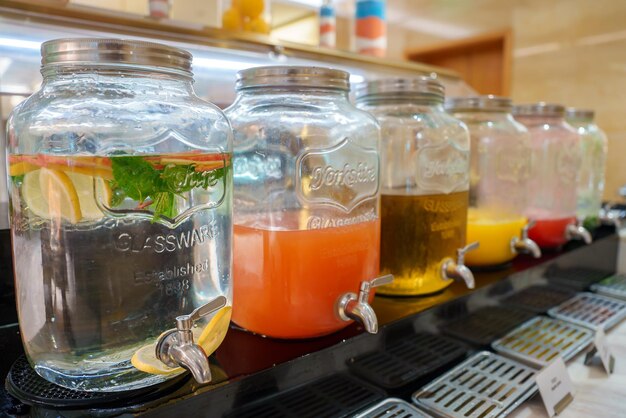
| Infused water (citrus, herbs, etc.) | Use an infuser basket if available, or large slices that cannot reach the tap opening. | Flavor develops after about 20–60 minutes; ingredients stay clear of the valve area. | Letting fruit float directly into the tap zone, causing blockages and uneven flow. |
| Hot water service | Fill with potable water. Enable heating to about 80–95°C if adjustable. | Ready indicator light (if present) or steam at the tap; cup warms quickly when filled. | Touching hot metal or steam path; adding powders directly into the tank and forming sludge. |
| Office or shared station | Set a clear “last fill” time; assign someone to empty and rinse at the end of the day. | Fresh-tasting beverage at the start of each day; no visible film on walls or tap. | Perpetually topping up new beverage over old; no one assigned to clean, so buildup sneaks up. |
Cleaning and maintenance that doesn’t ruin parts
After each use
- Unplug electric Beverage Dispenser units before cleaning.
- Empty remaining beverage from the tank through the tap or drain plug.
- Rinse reservoir, tap area, and drip tray with warm water.
- Wash removable parts with mild dish soap and a soft sponge, then rinse and air-dry completely.
- Wipe the exterior with a damp cloth, especially around the tap and base where drips collect.
Weekly or after heavy use
- Soak removable nozzles and tap pieces in warm, soapy water for about 10–20 minutes.
- Use a small, soft brush to clear inside any narrow channels where sugar and dairy hide.
- Inspect seals and gaskets for wear, cracks, or stickiness; clean gently and dry thoroughly.
- For units with filters, follow replacement intervals and mark the change date somewhere you will see it.
When it smells weird or performs poorly
- Prepare a mild cleaning solution, such as warm water with a small amount of dish soap or food-safe sanitizer.
- Fill the tank and run it through the tap to clean internal passages.
- Rinse thoroughly with clean water until no cleaning solution odor remains.
- Let the Beverage Dispenser air-dry with the lid off so moisture does not get trapped.
What not to do
- Do not use abrasive pads or powders on plastic, coated metal, or clear parts; they scratch and cloud surfaces.
- Avoid harsh chemicals like bleach or strong solvents unless specifically allowed. They can damage seals and leave stubborn odors.
- Do not submerge the powered base in water. Clean it with a damp cloth only.
- Skip using metal tools near valve openings; they can deform the soft parts that keep things leak-free.
Fast help for two common maintenance complaints
For “The tap is sticky or slow to close”:
- Disassemble the tap or spigot if it is designed to come apart.
- Soak pieces in warm, soapy water and scrub lightly with a soft brush.
- Rinse well and reassemble, making sure any spring or seal is positioned correctly.
For “There’s a weird taste or smell in the beverage”:
- Empty the Beverage Dispenser completely and clean all parts thoroughly.
- Run a full tank of clean water through the system to flush passages.
- Replace any water filters, and avoid leaving beverages in the tank longer than necessary next time.
Troubleshooting that gets you unstuck fast
Use this quick reference when your Beverage Dispenser is not behaving. Work through from symptom to likely cause to fix.
| Symptom | Likely cause | Fix |
|---|---|---|
| No beverage comes out of the tap | Empty tank, clogged valve, or closed drain/vent blocking flow. | Check the fill level, open any necessary vents, then clean and clear the tap assembly. |
| Flow is very slow or uneven | Sugar residue, pulp, or ice pieces partially blocking the tap. | Disassemble and clean the tap; strain beverages and keep ice out of the valve area. |
| Constant dripping from tap | Worn or dirty seal, or tap not fully returning to closed position. | Clean tap parts, check gasket or O-ring, and replace if damaged; confirm handle moves freely. |
| Leak from the bottom of the tank | Loose drain plug, mis-seated tank, or cracked reservoir. | Tighten plugs, reseat the reservoir, and inspect for visible cracks; stop use if damage is found. |
| Electric unit will not power on | Unplugged cord, tripped outlet, or internal fault. | Check outlet with another device, confirm plug is secure, and try a different outlet before seeking service. |
| Beverage not getting cold | Cooling not enabled, vents blocked, overload of warm beverage, or failing cooling system. | Turn on cooling, clear airflow, pre-chill beverage, and give 20–45 minutes before judging performance. |
| Beverage too warm in hot-water style unit | Temperature set too low or heavy use without recovery time. | Increase temperature if adjustable and allow the unit time to reheat between refills. |
| Strange taste in water | Old beverage film, stale water, or expired filter. | Deep clean tank and tap, flush with fresh water, and replace filters regularly. |
| Condensation or “sweating” on outside | Cold beverage in a warm, humid room; normal physics. | Use a drip tray under the unit, wipe occasionally, or place on a mat to protect the surface. |
| Loud humming or rattling noise | Uneven surface, internal component touching housing, or loose panels in powered units. | Move the Beverage Dispenser to a level surface and check for loose parts; if noise persists, seek service. |
Mini decision path: when it will not dispense
If the Beverage Dispenser will not dispense beverage at all, walk through this path:
- Look through the tank or level indicator to confirm there is actually beverage in the reservoir.
- Open the lid and check that nothing large (fruit, ice, tea bags) is blocking the area above the tap.
- Try moving the tap handle and feel for resistance. If it is stuck, clean and lubricate (with water only) as you reassemble.
- If the tank is removable, lift it out and reseat it carefully so the tap lines up with the outlet on the base.
- If everything looks correct and you still get no flow, the internal valve or seal may be damaged, and service or replacement parts are the safest next step.
Mini decision path: when an electric unit will not cool or heat
- Verify the Beverage Dispenser is plugged in and the outlet works with another device.
- Confirm any power and mode switches (cool/heat) are set to the desired function.
- Give the unit at least 20–30 minutes and then check temperature change at the tap.
- Ensure vents, fans, and air gaps are not blocked by walls or other appliances.
- If there is still no temperature change, discontinue use and arrange for inspection or service.
When to stop and get service
There are moments when pulling out a screwdriver is not the hero move. Pause use and seek professional help if you notice any of the following:
- Visible cracks in the reservoir or base that leak even after tightening plugs and seals.
- Persistent dripping or leaking that does not improve after thorough cleaning and seal checks.
- Electric Beverage Dispenser units that trip breakers, feel unusually hot on the outside, or emit burning or chemical smells.
- Unusual grinding, clicking, or extremely loud humming sounds from internal components.
- Discoloration of plastic parts that looks like melting or warping near heated areas.
- Internal electrical components or wiring visible where they should be covered or sealed.
- Repeated failure to heat or cool after you have confirmed settings, power, and airflow are correct.
When in doubt, it is better to stop using the Beverage Dispenser briefly than to push it through more cycles while something important is not right.
Smart habits that save time
A few small habits make your Beverage Dispenser easier to live with and less likely to surprise you mid-party.
- Store the Beverage Dispenser dry, with the lid slightly ajar, so trapped moisture does not cause odors.
- Keep a soft brush or small bottle brush near where you store it; fast tap cleaning becomes routine instead of a chore.
- Use strainers for citrus, herbs, and fruit so pieces stay away from the valve area.
- Pre-chill or pre-heat beverages in another container so the Beverage Dispenser mostly maintains temperature instead of doing all the work.
- For repeated events, keep a simple “Beverage Dispenser checklist” on a sticky note: clean, assemble, test tap, fill, and set temperature.
If you use liners, filters, or flavor inserts:
- Choose liners that do not block the tap opening or interfere with seals.
- Replace filters on schedule; a clogged filter slows flow and stresses the system.
- Use infuser baskets for fruits and herbs instead of letting them float loose; they add flavor without trouble.
Quick FAQ
Can I put carbonated drinks in my Beverage Dispenser?
In most cases it is not a good idea. Carbonation can create pressure and foaming that overwhelms taps, causes leaks, and leads to a lot of flat, sticky cleanup. Use bottles or kegs made for carbonation instead.
Can I use milk or cream-based drinks?
You can, but only if you are willing to clean immediately afterward. Dairy spoils quickly and clings to valves. Do not leave milk-based drinks in the Beverage Dispenser for extended periods, especially at room temperature.
Why does my beverage taste like plastic?
New units sometimes have a mild manufacturing odor. Run a couple of full tanks of warm water through, possibly with a little lemon juice or baking soda, then rinse. Avoid strong chemicals, as they can make the problem worse.
Is it safe to run the Beverage Dispenser empty?
For non-powered, gravity-fed designs, running empty is usually harmless. For heated or cooled units, regularly running empty can stress heating elements or cooling systems. Try to keep at least a small amount of liquid in contact with active temperature components when they are turned on.
Can I put the reservoir in the dishwasher?
Some reservoirs and drip trays are dishwasher-safe, but not all. Check for markings on the parts. When in doubt, wash by hand with mild soap and a soft sponge to avoid warping or clouding clear plastic.
How full should I fill the Beverage Dispenser?
Stopping around 70–90% of capacity is ideal. It leaves room for lids, ice cores, and movement without forcing beverage into vents, seams, or the tap area.
How long can I leave beverage inside?
Plain water in a clean Beverage Dispenser can sit a bit longer, but flavored, sugary, or dairy-based drinks should be emptied and the unit cleaned the same day. Room temperature and ingredients matter more than the appliance itself.
Why is there condensation on the outside?
That “sweating” is normal when cold drinks meet warm, humid air. Use a towel or mat under the Beverage Dispenser to protect surfaces, and empty drip trays regularly.
My tap handle feels loose. What should I do?
Inspect for a nut or fastener at the back of the tap. Tighten gently by hand or with an appropriate tool, taking care not to overtighten and crack plastic parts. If the handle still wobbles, the internal mechanism may be worn and need replacement.
Can I transport the Beverage Dispenser while it is full?
It is safer to move it empty. If you must transport it with liquid inside, keep it upright, move slowly, and avoid stairs or bumps. Many seals are built for stationary use and can leak when jostled.
Why does my Beverage Dispenser seem louder than before?
For powered units, increased noise can mean the surface is not level, vents are blocked, or internal components have loosened. Level the unit, clear airflow, and if noise remains high, consider professional inspection.
Your Beverage Dispenser is not mad at you; it just likes a clean tank, clear tap, and a bit of breathing room. With those in place, it should serve reliably, one pour at a time.
Discover More
- Air Conditioner
- Air Fryer
- Air Purifier
- Automatic Soap Dispenser
- Barbecue Grill
- Beverage Cooler
- Beverage Fridge
- Blender
- Boiler
- Bread Maker
- Bread Slicer
- Bread Toaster Oven
- Can Opener
- Carpet Cleaner
- Ceiling Fan
- Ceiling Heater
- Ceiling Mounted Heater
- Ceiling Mounted Vent Fan
- Central Vacuum
- Charcoal Grill
- Citrus Juicer
- Clothes Dryer
- Clothes Steamer
- Coffee Grinder
- Coffee Maker
