Ice Bin Owner’s Guide: Practical Help for Cleaner, Happier Ice
Quick start you can finish fast
Your Ice Bin looks simple, but it quietly decides whether your drinks get clear cubes or a frosty avalanche. Here is how to get it ready without overthinking it.
- Unpack the Ice Bin and remove any tape, foam, or plastic inside and outside the bin.
- Rinse the Ice Bin in warm water with a small amount of mild dish soap.
- Use a soft sponge or cloth; avoid anything scratchy that could rough up plastic and trap odors.
- Rinse thoroughly and dry with a clean towel or let it air-dry upside down.
- Wipe the inside of the freezer around where the Ice Bin will sit with a clean, slightly damp cloth.
- Place the Ice Bin fully back into position so it is straight and seated all the way in.
Simple first-use example
This example assumes you have an automatic ice maker feeding the Ice Bin.
- Make sure the ice maker arm or switch is turned on.
- Close the freezer door firmly and leave the Ice Bin empty.
- Allow the ice maker to produce and drop ice into the Ice Bin for about 3–4 hours.
- Discard this first batch of ice to remove any new-plastic or plumbing taste.
- Let the Ice Bin refill; the next batches are usually the ones worth serving.
Know your parts without guessing
Most units have
- Ice Bin body – The main container that holds loose ice cubes or nuggets. It sits directly under the ice maker or ice chute.
- Front panel or handle – The front-facing section you pull to slide the Ice Bin out. Often shaped as a scoop area as well.
- Base rails or grooves – Small tracks that the Ice Bin slides on. If the bin is not aligned on these, ice production and dispensing can act “possessed.”
- Fill line or max line – A mark showing the recommended fill height so the ice maker does not jam or overfill.
- Bottom drain slots or gaps – Tiny openings that let meltwater drain away from cubes so they do not freeze into a solid block.
Some units have
- Built-in auger – A spiral metal or plastic rod running through the Ice Bin that pushes ice forward to a dispenser. If it jams, ice usually stops at the door.
- Crush/cube selector parts – Internal walls or blades that break up ice into smaller pieces when you choose “crushed” at the door.
- Removable divider or shelf – Lets you separate ice types (for example, large cubes and smaller nuggets) in one Ice Bin.
- Locking tabs or latch – Keep the Ice Bin locked into the ice maker assembly so the auger can actually turn the ice.
- Clear window or flap – Lets you see ice level without pulling the Ice Bin out and dumping cubes everywhere.
Safety that actually prevents problems
- Keep hands clear of the auger and crusher parts. Only touch moving parts when the freezer is off or the Ice Bin is fully removed.
- Use the Ice Bin only for ice. Do not store food, bottles, bags, or anything else inside; they can block mechanisms and crack the bin.
- Do not force a stuck Ice Bin. If it will not slide, check for built-up ice or misalignment instead of pulling harder.
- Use only drinking-quality water to make ice. Poor water can cause scale deposits and unpleasant tastes that are hard to clean out.
- Avoid boiling water for cleaning. Very hot water on a cold Ice Bin can warp or crack plastic.
- Do not hit the Ice Bin to break up clumps. Gentle tapping is fine; strong impact can damage seams, corners, or internal auger parts.
- Keep cleaners mild. Strong chemicals can leave residue that ends up in your drink and may cloud or weaken plastic.
- Always reinstall the Ice Bin fully before using the ice dispenser. Running the dispenser without the bin seated can damage the auger or motor.
- Dry the Ice Bin after washing. Excess rinse water can instantly freeze into a slick layer, making removal trickier next time.
- If you see cracks, sharp edges, or a wobbling auger mount, stop using the Ice Bin and inspect before continuing.
Daily use for better results
This is the basic rhythm that keeps your Ice Bin clean, loose, and easy to use.
- Check that the Ice Bin is straight, fully pushed back, and sitting on its rails before closing the freezer.
- Use the dispenser or scoop gently rather than “machine-gunning” ice; this reduces jamming and auger strain.
- Every day or two, give the Ice Bin a quick shake while it is still in place to loosen cubes and prevent big clumps.
- If ice has been sitting unused for several days, dump the old ice, rinse the Ice Bin, dry it, and let it refill with fresh ice.
- Watch for the fill line. If the Ice Bin is overfull, remove some ice rather than letting the ice maker struggle.
Common uses and what to watch for
| Use / Task | What to do with the Ice Bin | “Done” / Good result cues | Common mistakes |
|---|---|---|---|
| Everyday drink ice | Keep Ice Bin about half to three-quarters full; dump and refresh ice every 2–3 days. | Ice is clear or slightly cloudy, loose, and dry to the touch. | Letting the same ice sit for weeks, leading to freezer smells and fused chunks. |
| Party or gathering | Empty Ice Bin into a separate cooler, then let it refill in advance; repeat as needed. | Ice Bin is not packed to the brim, and ice still drops freely from the maker. | Overfilling the Ice Bin so the ice maker arm or sensor is buried and jams. |
| Using crushed ice setting | Make sure the Ice Bin is seated, auger aligned, and not overloaded above the fill line. | Crushed ice dispenses steadily without sudden stops or loud grinding. | Trying to crush large, solid ice clumps instead of loosening or discarding them first. |
| Manual scooping | Slide Ice Bin out slightly and use a scoop; avoid metal scoops if the bin is plastic. | Ice stays loose; no deep grooves or cracks in the Ice Bin surface. | Scooping with glass cups or bottles, which can chip or hit the auger. |
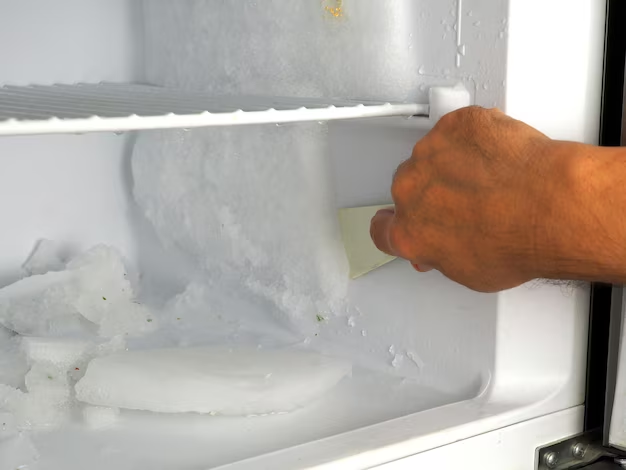
| Defrosting freezer | Remove Ice Bin, empty ice, rinse, and let the bin warm to room temperature before washing. | Ice Bin is dry and at room temperature before going back into a cold compartment. | Washing a freezing-cold bin in very hot water, which can cause warping. |
Cleaning and maintenance that doesn’t ruin parts
After each use session (light routine)
If you use ice daily, try this quick care every day or two.
- Give the Ice Bin a gentle shake to keep cubes from sticking together.
- Check for obvious clumps or frost buildup on the surface and break them apart by hand, not by punching the bin.
- Wipe any spilled water around the bin area so it does not freeze into a “glue” layer.
Weekly refresh
- Turn off the ice maker or lift the ice maker arm to pause ice production.
- Remove the Ice Bin carefully, holding it level so ice does not spill.
- Dump old ice into the sink or a cooler for non-drink use (like chilling bottles).
- Wash the Ice Bin with warm water and a few drops of mild dish soap using a soft cloth or sponge.
- Rinse thoroughly and dry completely with a towel or air-dry upside down.
- Inspect for hairline cracks, worn corners, or bent auger parts while it is empty.
- Reinstall the Ice Bin firmly and restore ice production.
When it smells weird or ice looks off
- Remove all ice from the Ice Bin and discard any that smells or tastes odd.
- Wash the Ice Bin with warm soapy water, then rinse with a mixture of water and a small splash of white vinegar.
- Rinse again with plain water and dry thoroughly.
- Wipe nearby freezer surfaces, especially under and behind the Ice Bin, to remove spills and crumbs.
- Make and discard the next batch of ice before using new ice for drinks.
What not to do
- Do not use abrasive pads, steel wool, or scouring powders. These scratch plastic and give odors places to cling.
- Skip strong bleach solutions or harsh chemical sprays directly inside the Ice Bin; they are hard to rinse away fully.
- Do not put the Ice Bin in a very hot dishwasher cycle unless the bin is clearly marked as dishwasher-safe and rated for higher temperatures.
- Avoid hitting the Ice Bin on counters to break ice blocks. Tap gently with your hand instead or run warm water briefly on the outside.
- Do not pour boiling water into the Ice Bin; use comfortably warm water instead.
Two common maintenance complaints and quick checks
Complaint: Ice clumps into big blocks.
- Check freezer temperature; aim around −18 °C (0 °F). Much colder can trigger extra frost and clumping.
- Make sure the Ice Bin is not sitting in a puddle of meltwater and that drain gaps are not blocked.
Complaint: Ice tastes stale or like the freezer.
- Refresh the Ice Bin at least weekly by dumping old ice and washing the bin.
- Store strong-smelling foods in sealed containers so odors do not migrate into ice.
Troubleshooting that gets you unstuck fast
Quick decision path for “no ice from the bin”
- If the Ice Bin looks empty, check that the ice maker is turned on and the freezer is cold enough.
- If the Ice Bin is full but nothing dispenses, pull the bin out and look for big ice clumps around the auger.
- If the auger turns by hand when the Ice Bin is out but not when in place, make sure the bin is properly seated and any drive coupler is aligned.
- If the dispenser hums or clicks with no ice movement even after clearing clumps, avoid repeated attempts and consider service.
Common Ice Bin problems
| Symptom | Likely cause | Fix |
|---|---|---|
| No ice in the Ice Bin | Ice maker turned off or water supply issue. | Check ice maker switch or arm; confirm freezer is cold and water line is on and not kinked. |
| Ice is not dispensing at the door | Ice Bin not seated correctly or auger not engaging. | Remove and reinstall the Ice Bin, making sure it is fully back and locked into its drive point. |
| Only a humming sound when trying to get ice | Auger motor is trying to turn but ice is jammed. | Open the freezer, remove the Ice Bin, break up or discard large clumps, and reinstall. |
| Ice cubes fused into large block | Temperature swings or standing meltwater in the Ice Bin. | Dump the block, wash and dry the bin, check door seals, and keep ice refreshed more often. |
| Ice tastes or smells bad | Odors from food or stale ice sitting too long. | Thoroughly clean the Ice Bin and nearby freezer area; discard old ice and improve food storage sealing. |
| Water or slush in the bottom of the Ice Bin | Freezer too warm or frequent door openings. | Adjust freezer to around −18 °C (0 °F), reduce time with door open, and dry the bin before reinstalling. |
| Crushed setting gives mostly cubes | Crush mechanism partially jammed or Ice Bin not fully seated. | Remove bin, clear clumps around crusher parts, and reinstall firmly; avoid overfilling above the fill line. |
| Ice overflows or spills out of Ice Bin | Overfilling and ice maker not sensing full bin correctly. | Remove some ice, clean around any sensors, and keep ice level closer to the marked fill line. |
| Ice Bin difficult to slide in or out | Ice buildup along rails or something wedged behind the bin. | Defrost or chip away built-up ice carefully, wipe rails, and remove any dropped cubes or debris. |
| Cracks in the Ice Bin | Impact, age, or thermal stress from hot water. | Replace the Ice Bin; avoid harsh impacts and clean with warm (not boiling) water going forward. |
If the Ice Bin keeps jamming
- Empty the Ice Bin completely and inspect the auger for bent sections or foreign objects like plastic pieces or food fragments.
- Check that ice size is normal; oversized or irregular cubes from the ice maker can jam in narrow chutes.
- Use the cube setting more often than crushed if your bin tends to jam; crushed mode stresses the mechanism more.
- Keep the Ice Bin no more than about three-quarters full so cubes have room to move when the auger turns.
When ice tastes strange even after cleaning
- Clean the Ice Bin and discard all existing ice.
- Check nearby foods for strong smells (onions, fish, garlic, open sauces) and store them in airtight containers.
- Flush the water line by drawing several large glasses of water or making and discarding a full Ice Bin worth of ice.
When to stop and get service
- The Ice Bin will not seat properly even when empty and aligned on the rails.
- You hear grinding, popping, or repeated loud clunks from the dispenser or auger area.
- The auger does not turn at all, or turns loosely, even with a correctly installed Ice Bin and loose ice.
- Visible cracks or broken plastic near the auger drive connection on the Ice Bin.
- Persistent leaks or standing water appear under or around the Ice Bin, even after cleaning and drying.
- Ice maker continuously makes ice and overflows the Ice Bin even after you adjust the arm or off switch.
- You see exposed or damaged wiring or loose internal parts behind or under the Ice Bin area.
Smart habits that save time
- Keep a small, dedicated scoop near the freezer so you are not tempted to use glasses or jars directly in the Ice Bin.
- Consider simple, food-safe bin liners or trays only if they do not block the auger or drain gaps; test with a small amount of ice first.
- Mark a recurring reminder (for example, every weekend) to refresh the Ice Bin ice and give it a quick wash.
- Store the Ice Bin in the freezer at all times; do not move it to other rooms or outdoor freezers unless they have the same mounting style.
- If you have a secondary ice container (for parties), fill that from the Ice Bin and keep the bin attached where it belongs.
For longer trips away from home:
- Turn off the ice maker or lift its shutoff arm.
- Empty the Ice Bin, wash, dry, and reinstall it empty so you do not return to a fossilized ice block.
For small freezers without a dispenser:
- Use the Ice Bin as a dedicated, labeled ice-only zone to avoid food mixing in.
- Rotate older ice to the top of the Ice Bin occasionally so it gets used first.
Quick FAQ
Can I wash my Ice Bin in the dishwasher?
Sometimes, but only if the Ice Bin is clearly marked as dishwasher-safe. Even then, a cooler cycle on the top rack is safer than a very hot cycle that can warp plastic.
How often should I empty and clean the Ice Bin?
A good target is at least once a week if you use it regularly, and anytime ice starts smelling or tasting off.
Why does my Ice Bin keep forming one big ice block?
Temperature swings, frequent door openings, and standing meltwater cause cubes to refreeze together. Keep the freezer around −18 °C (0 °F), dry the bin after washing, and refresh ice more often.
Is it safe to use ice that smells like the freezer?
It is usually not unsafe, but it will not taste good. Odors come from nearby foods and stale ice. Cleaning the Ice Bin and sealing foods improves this quickly.
Can I store other items in the Ice Bin with the ice?
Better not. Extra items block the auger and can break the Ice Bin or jam the dispenser, and they often share odors with your ice.
Why does the dispenser work only when the Ice Bin is very full?
When ice is low, the auger may not grab enough cubes, especially if there are clumps or the bin is slightly misaligned. Reseating the Ice Bin and breaking up clumps usually helps.
What should I do with old ice when I refresh the Ice Bin?
You can use old ice for chilling bottles in a cooler, in cleaning buckets, or for non-drink uses, then focus fresh ice on your beverages.
Can I use boiling water to melt jammed ice in the Ice Bin?
No. Very hot water can crack or warp the Ice Bin. Use warm tap water on the outside of the bin or let it sit at room temperature briefly instead.
My Ice Bin is cracked. Do I really need to replace it?
Yes, especially if the crack is near the auger or front panel. Cracks spread and can cause leaks, jams, or sudden breakage under load.
Is it normal for a little frost to appear around the Ice Bin?
A thin layer of frost is common. Thick frost, ice ridges, or the bin freezing to its rails indicate door seal or temperature issues that need attention.
How full should I keep the Ice Bin?
About half to three-quarters full is ideal. Always stay at or below any marked fill line so the ice maker and auger have space to work.
Why does my Ice Bin seem cloudy even after washing?
Fine scratches, mineral deposits, or age can cloud clear plastic. Gentle cleaning and occasional vinegar rinses can help; heavy cloudiness alone is mostly cosmetic unless you also see cracks.
Discover More
- Air Conditioner
- Air Fryer
- Air Purifier
- Automatic Soap Dispenser
- Barbecue Grill
- Beverage Cooler
- Beverage Dispenser
- Beverage Fridge
- Blender
- Boiler
- Bread Maker
- Bread Slicer
- Bread Toaster Oven
- Can Opener
- Carpet Cleaner
- Ceiling Fan
- Ceiling Heater
- Ceiling Mounted Heater
- Ceiling Mounted Vent Fan
- Central Vacuum
- Charcoal Grill
- Citrus Juicer
- Clothes Dryer
- Clothes Steamer
- Coffee Grinder
