Upright Freezer Owner’s Help Guide: Setup, Use, and Fixes
Quick start you can finish fast
Your Upright Freezer is basically a cold-storage closet. Let’s get it ready without making this an all-day project.
Fast setup checklist
- Place the Upright Freezer on a flat, stable floor with at least 5–10 cm clearance at the back and sides for airflow.
- Keep it away from direct sun, ovens, radiators, and other heat sources to avoid overworking the compressor.
- Let it stand unplugged for about 2–4 hours after transport, especially if it was tilted, so the compressor oil settles.
- Remove all tape, foam, and cardboard from shelves, drawers, and door bins.
- Wash removable shelves, baskets, and bins in warm, mildly soapy water; rinse and dry thoroughly.
- Gently wipe the interior walls and door gasket with a soft cloth and a mix of water and a little baking soda.
- Plug the Upright Freezer directly into a grounded wall outlet (no extension cords or power strips).
- Set the temperature to around −18 °C (commonly labeled as “normal” or the mid-setting on many dials).
- Let it cool empty until it reaches temperature; this usually takes about 4–12 hours.
First-use example: freezing a batch of food safely
Once your Upright Freezer is cold, try a small first load so you can see how it behaves.
- Check that the interior feels evenly cold and that no error lights are on.
- Place a few items that are already frozen (like frozen vegetables or ice cream) on the middle shelves.
- Place a small batch of room-temperature food in shallow containers near the center, not stacked tightly.
- Allow about 12–24 hours for the new items to fully freeze; they should be hard all the way through.
- Check that the door closes and seals smoothly without needing to slam it.
Know your parts without guessing
Most units have
- Cabinet and door – The main insulated body that keeps the cold in. The door often has built-in storage bins.
- Door gasket (rubber seal) – Flexible seal around the door. It keeps warm air out and cold air in.
- Wire or glass shelves – Horizontal surfaces to organize food. Wire allows better air circulation; glass gives a flatter surface.
- Storage baskets or drawers – For loose items like bags of vegetables, meat, or bulk foods.
- Temperature control dial or buttons – Sets the target coldness, often with marks like “colder” or a mid-setting.
- Compressor – Usually at the back or bottom. This is the “engine” that pumps refrigerant to cool the interior.
- Condenser coils – Tubes or fins at the back or underneath that release heat from inside the Upright Freezer.
- Interior light – Comes on when the door opens so you can find that bag of peas hiding in the corner.
- Leveling feet – Adjustable feet at the bottom to keep the Upright Freezer stable and slightly tilted back for door closing.
Some units have
- Digital display – Shows internal temperature and sometimes alerts for high temperature or open door.
- Fast-freeze or “turbo” button – Temporarily runs colder to freeze new food more quickly.
- Frost-free (auto-defrost) system – Uses a heater and fan system to reduce frost buildup on the coils.
- Manual defrost drain – A small port or plug at the bottom to drain water during defrosting.
- Door lock – Helps prevent kids or others from opening the Upright Freezer when they shouldn’t.
- Door-open alarm – Beeps or flashes if the door is left open for too long.
- Reversible door hinges – Allow the door to be mounted to open left or right.
Safety that actually prevents problems
- Plug directly into the wall. Do not use extension cords or power strips; they can overheat and cause electrical issues.
- Keep the Upright Freezer upright when moving it. Tilting a lot can push oil into the refrigerant lines and damage the compressor.
- Leave space for airflow around the back and sides so the compressor and coils can release heat efficiently.
- Do not store flammable liquids or aerosol cans inside the Upright Freezer; they are not meant for that environment.
- Keep children from climbing inside or hanging on the door; the unit can tip or the hinges can be damaged.
- Use only mild cleaners inside. Strong chemicals can damage plastic surfaces and door gaskets.
- Do not chip at ice with sharp tools; this can puncture hidden coils or wiring.
- Unplug before cleaning or defrosting. This protects you and the freezer’s electrical components.
- Do not block interior air vents with boxes or bags; blocked vents lead to warm spots and frost problems.
- Check the power cord regularly. If it is cracked, hot to the touch, or damaged, stop using the Upright Freezer and get it serviced.
Daily use for better results
Once it is cold and stable, your Upright Freezer mostly needs good habits rather than constant fiddling.
- Keep the temperature around −18 °C for long-term storage; this is a common food-safety target.
- Group similar foods together: meats in one area, vegetables in another, baked goods and snacks elsewhere.
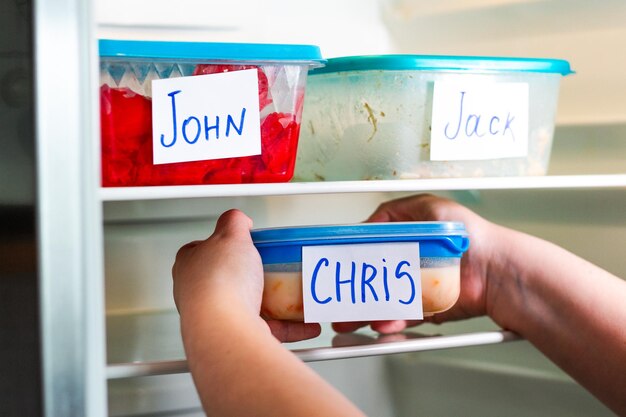
- Label and date items with a marker or tape so you do not end up with “mystery bricks” from three winters ago.
- Cool hot food in the refrigerator before transferring to the Upright Freezer; warm pots of food raise the internal temperature.
- Use shallow containers or thin layers for faster freezing and easier stacking.
- Leave small gaps between packages so air can circulate; avoid compressing everything into one frozen mass.
- Open the door briefly and close it fully every time; avoid leaving it cracked open while you “decide.”
- Use older items first (“first in, first out”) to reduce waste and keep contents rotating.
- Check the door gasket occasionally with a quick visual and feel for gaps or debris.
Common freezing tasks and tips
| Food / task | How to load | Typical time to fully freeze | Finish cues | Common mistakes |
|---|---|---|---|---|
| Fresh meat (steaks, chops) | Wrap tightly in freezer wrap or bags; lay in a single layer on a shelf. | About 12–24 hours | Completely hard when pressed; no soft spots in the center. | Packaging with air pockets, leading to freezer burn. |
| Ground meat | Flatten in thin, sealed packets for faster freezing. | About 6–12 hours | Firm, no bend when picked up by the corner. | Thick lumps that freeze slowly and unevenly. |
| Leftover cooked meals | Cool in fridge first, then pack in shallow containers. | About 8–16 hours | Solid, with no soft or slushy spots. | Putting hot food directly into the Upright Freezer. |
| Bread and baked goods | Use airtight bags; squeeze out excess air. | About 4–8 hours | Frozen firm but not brittle-cracked when gently flexed. | Storing unwrapped, leading to dryness and odor absorption. |
| Fruits and vegetables | Spread on a tray to pre-freeze, then bag for storage. | About 4–12 hours | Pieces separate easily; no clumps. | Freezing in big clumps that are hard to portion later. |
| Ice packs / ice bricks | Place on a flat shelf, spaced slightly apart. | About 4–10 hours | Completely rigid and hard. | Stacking too many in one spot, causing warm pockets. |
Cleaning and maintenance that doesn’t ruin parts
After regular use
- Wipe up spills on shelves or in baskets as soon as you notice them to prevent odors and sticky buildup.
- Check the door gasket for crumbs or frost and wipe it gently with a damp cloth.
- Make sure stored items are not pressing hard against the door so it can close and seal properly.
Every few weeks
- Empty and wipe one shelf or basket at a time so you are not leaving everything out in a warm room.
- Inspect for frost buildup, especially around vents and the back wall.
- Vacuum dust from the back or bottom area around condenser coils and vents, with the Upright Freezer unplugged.
- Gently clean the exterior with a soft cloth and mild detergent; avoid abrasive pads or harsh polishes.
When it smells weird or performs poorly
- Unplug the Upright Freezer.
- Remove all food and sort quickly: keep safe items in a cooler with ice packs; discard anything clearly spoiled.
- Wipe all interior surfaces with a mix of warm water and baking soda, then dry thoroughly.
- If frost is thick (more than about 5–10 mm), perform a defrost.
Defrosting (for manual-defrost Upright Freezer)
- Unplug the Upright Freezer and open the door.
- Place towels or trays at the bottom to catch melting ice and water; open the defrost drain if present.
- Let the ice melt naturally, or place bowls of hot (not boiling) water inside to gently speed things up.
- Do not use knives, screwdrivers, or other sharp tools to chip ice; this risks puncturing coils.
- When all ice is gone, dry surfaces completely before plugging back in.
- Let the Upright Freezer reach −18 °C again before restocking food.
What not to do
- Do not use bleach or ammonia directly inside; fumes can linger and damage surfaces.
- Do not use steel wool, scouring pads, or abrasive powders; these can scratch and weaken the interior.
- Do not pour hot water directly on interior plastic; rapid temperature changes can crack panels.
- Do not bend or pull on the door gasket; this can break the seal and cause cooling problems.
Two common maintenance complaints and how to check
Complaint: “There is too much frost inside.”
- Check that the door is closing fully and the gasket is clean and undamaged.
- Look for gaps where items are preventing the door from sealing.
- Confirm you are not frequently leaving the door open for long periods.
- If frost is thick, perform a full defrost, then monitor for rapid reappearance.
Complaint: “The Upright Freezer is running all the time.”
- Make sure the temperature setting is not on the coldest setting without reason.
- Check that the coils are not clogged with dust and that there is space around the unit for airflow.
- Ensure the door gasket is sealing and the door is not warped or held open by items.
- Confirm the room temperature is reasonable; very hot rooms make the compressor run more.
Troubleshooting that gets you unstuck fast
When the Upright Freezer misbehaves, matching the symptom to likely causes saves a lot of guesswork.
| Symptom | Likely cause | Fix |
|---|---|---|
| Not cooling at all | No power, tripped breaker, or unplugged cord | Check outlet with another device, reset breaker, and ensure the cord is firmly plugged in. |
| Light works but interior is warm | Compressor not running or failed control | Verify temperature setting is not “off.” If no hum or click from compressor after a while, contact service. |
| Cool but not cold enough | Door not sealing, blocked vents, or overloaded with warm food | Rearrange food away from vents, clean gasket, ensure door closes fully, and reduce new warm loads. |
| Freezer runs constantly | High room temperature, dirty coils, poor door seal, or very low set temperature | Improve ventilation, clean coils, check gasket, and adjust to a mid-cold setting around −18 °C. |
| Thick frost buildup on walls | Door frequently opened, door left ajar, or humid environment | Defrost, reduce door opening time, and check that door fully closes and latches. |
| Ice around door or gasket | Warm moist air entering at the seal | Clean the gasket and surrounding area; check for cracks or warping; level the Upright Freezer slightly back. |
| Unusual noises (rattling, vibrating) | Unit not level, items touching the back, or panels vibrating | Level the feet, move items away from the back wall, and gently adjust loose panels or covers. |
| Clicking but no cooling | Compressor trying to start but failing | Unplug for a short period, then plug in again. If clicking continues without cooling, call for service. |
| Bad odors inside | Spills, old food, or poor air circulation | Remove suspect items, clean interior with baking soda solution, and ensure containers are sealed. |
| Water on the floor | Defrost water leaking, blocked drain, or condensation | Check and clear the defrost drain (if present), ensure the door closes, and wipe up water promptly. |
| Door hard to open again right after closing | Pressure equalizing as air cools inside | Wait a minute and try again; this is often normal. Avoid forcing the handle aggressively. |
Mini decision path: Upright Freezer feels warm
- Check the power:
- Is the cord plugged in firmly?
- Does another appliance work in the same outlet?
- If the light is on but it is still warm:
- Listen for a gentle hum or occasional clicks from the compressor.
- Check the temperature control is not set to “off” or “warm.”
- If the compressor seems to run constantly:
- Look for gaps in the door seal and remove any items blocking closure.
- Check for heavy frost; if present, defrost thoroughly.
- If there is no sound, no cooling, and power is confirmed:
- Unplug for several minutes, then plug back in and listen again.
- If still silent and warm, stop using the Upright Freezer and arrange professional service.
Mini decision path: Frost keeps coming back
- Check how you use the door:
- Are you opening it often or leaving it open while searching?
- Are children frequently playing with the door?
- Inspect the seal:
- Look for cracks, tears, or areas where the gasket does not touch the frame.
- Slide a thin piece of paper in different spots; if it pulls out easily with the door closed, there is a gap.
- Check humidity:
- Very humid rooms bring in more moisture each time the door opens.
- Try to keep the Upright Freezer away from steamy areas like laundry or shower rooms.
When to stop and get service
- The Upright Freezer is plugged in, the outlet works, but there is no cooling and the compressor never starts.
- You hear repeated loud clicking, buzzing, or grinding from the compressor area.
- The power cord or plug is damaged, hot to the touch, or shows signs of burning.
- The cabinet walls are extremely hot in a way that is new and persistent.
- There is a strong chemical smell or visible oily residue around the back or under the unit.
- The door gasket is severely torn or the door hinges are loose and cannot be tightened safely.
- Any part of the interior has been punctured by tools or sharp objects used to remove ice.
Smart habits that save time
- Keep a simple inventory list on the door with what is inside and rough dates; crossing items off helps prevent forgotten food.
- Use sturdy, freezer-safe containers and bags to reduce leaks, odors, and freezer burn.
- Organize by “zones”: raw meats low and to the back, ready-to-eat foods higher, snacks and frequently used items closer to the front.
- Leave a little space for airflow; a completely jammed Upright Freezer cools less evenly.
- Rotate stock when you shop or cook: move older items forward and place new ones behind them.
- Store the Upright Freezer away from extreme heat or unheated spaces that can go below freezing, which can affect performance.
- Use bins or baskets for small loose items so they do not fall behind shelves or block vents.
Quick FAQ
What temperature should I set my Upright Freezer to?
A good target for most households is around −18 °C. This supports long-term food quality and general food-safety guidance.
How full can I load my Upright Freezer?
You can load it heavily, but leave some space around vents and avoid packing items so tightly that air cannot circulate. A reasonably full Upright Freezer actually holds temperature more steadily than an almost empty one.
How often should I defrost a manual-defrost Upright Freezer?
Many people defrost when frost layers reach about 5–10 mm thick, or at least a couple of times a year. Thicker frost reduces internal space and cooling efficiency.
Is it okay to put hot food directly into the Upright Freezer?
Let hot food cool in the refrigerator first. Placing hot pots or pans directly inside warms the interior, stresses the compressor, and can partially thaw nearby items.
Why does my Upright Freezer make gurgling or popping sounds?
Mild gurgling, popping, or whooshing is often refrigerant moving through the system and plastic parts expanding or contracting as they cool. Sudden new, loud, or grinding sounds are a reason to inspect further or call for service.
Can I store food in the door of the Upright Freezer?
Yes, but the door is usually the warmest zone. Use it for sturdy items like ice packs, nuts, or frequently used frozen snacks, not for delicate items that need the most stable cold.
What should I do during a power outage?
Keep the door closed as much as possible. A closed Upright Freezer that is fairly full can often keep food frozen for several hours. Once power returns, check temperatures and food condition before deciding what to keep.
Why is the door hard to open again right after I close it?
When you close the door, warm air gets inside, then cools and contracts, creating temporary suction. This is normal. Wait a minute or two and it should open more easily without forcing it.
How do I know if the door gasket is sealing properly?
Close the door on a thin strip of paper at different spots. If you can pull it out very easily with the door closed, the seal might be weak in that area. Also watch for frost or moisture near that section.
Is it safe to use liners or mats on the shelves?
Thin, non-blocking liners are usually fine, but avoid thick mats that cover vents or heavily restrict airflow. Always keep air paths to vents and sensors clear so the Upright Freezer can cool evenly.
Can I keep my Upright Freezer in a garage or unheated space?
Many Upright Freezer units struggle in very hot or very cold environments. If the area swings widely in temperature, performance can suffer. Try to place the Upright Freezer in a location with more moderate, stable temperatures whenever possible.
Discover More
- Air Conditioner
- Air Fryer
- Air Purifier
- Automatic Soap Dispenser
- Barbecue Grill
- Beverage Cooler
- Beverage Dispenser
- Beverage Fridge
- Blender
- Boiler
- Bread Maker
- Bread Slicer
- Bread Toaster Oven
- Can Opener
- Carpet Cleaner
- Ceiling Fan
- Ceiling Heater
- Ceiling Mounted Heater
- Ceiling Mounted Vent Fan
- Central Vacuum
- Charcoal Grill
- Citrus Juicer
- Clothes Dryer
- Clothes Steamer
- Coffee Grinder
